

Ventilation: your home’s first line of defence against damp and mould
Good ventilation is one of the simplest and most effective ways to reduce condensation, humidity and mould in your home.
Good ventilation is one of the simplest and most effective ways to reduce condensation, humidity and mould in your home. This guide explains how your extractor fans and vents work, how to look after them, and what you can do day to day to keep your home healthy.
Why ventilation matters
Everyday activities like cooking, showering, drying clothes and even breathing create moisture in the air. When warm, moist air hits cold surfaces (like windows, walls or corners behind furniture), it can turn into condensation. Over time, this can lead to damp and mould.
Good ventilation:
- Removes moist air from kitchens and bathrooms before it spreads.
- Reduces humidity levels across the home.
- Helps prevent condensation and mould growth.
- Improves air quality and makes your home feel fresher.
Your extractor fans: what they do and why they’re important
Most Ongo homes have extractor fans in the kitchen and bathroom. Many of these are filterless, high-efficiency, humidity-controlled fans.
- Automatic humidity control: The fan constantly monitors humidity and adjusts its speed to match how much moisture is in the air.
- Filterless design: Instead of filters that clog, it uses a cyclone effect to draw out moisture, dust and particles, so it stays efficient for longer.
- Very quiet: It runs at very low sound levels, so you may not even notice it’s working.
- Low running cost: Because it’s so efficient, annual running costs can be as low as around £4 in a kitchen per year and £2 in a bathroom, depending on use.
- Datalogging: They record how long they’ve run, which helps us understand how your home is performing.
- Less condensation on windows and walls.
- Lower risk of mould in bathrooms and kitchens.
- A drier, fresher-smelling home.
- Very low impact on your energy bills compared with the cost of dealing with damp and mould later.
Extractor fans work best when they’re clean. Grease, dust and lint can block airflow, make the fan noisier and reduce its ability to remove moisture. If you have a filterless fan and are able to do so, below is some information on cleaning your fan to keep it performing at its best.
How often:
- If you cook daily (especially frying, roasting or using oil): clean the kitchen fan every 1–2 months.
- If you cook less often: cleaning the kitchen fan every 2–3 months is usually enough.
- For bathroom fans a quick dust/hoover of the grille: every 1–2 months.
- Full clean bathroom fans every 6–12 months, or every 6 months if the bathroom is used heavily.
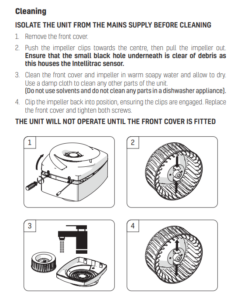
- Turn off the power at the wall switch.
- Remove the filter.
- Soak in hot soapy water for 20–30 minutes (a little washing-up liquid or degreaser helps).
- Wipe around the extractor fan with a warm damp cloth.
- After the 20-30 minutes gently scrub the filter with a soft brush or sponge to remove grease and dirt.
- Rinse with clean water and leave to dry fully before refitting.
- Turn on the power at the wall switch.
If you’re unsure, uncomfortable working with electrics, or the fan seems faulty, report it to us and we’ll arrange an inspection or clean.
Trickle vents: small but powerful
Trickle vents are small slots or openings at the top of window frames that allow a controlled amount of fresh air into your home all the time.
- Provide continuous background ventilation, even when windows are closed.
- Help remove moisture from everyday activities (cooking, showering, drying clothes).
- Reduce the risk of condensation and mould by keeping air moving.
- They’re designed to let in just enough air to control moisture without making your home cold.
- Closing them traps moisture inside, which increases condensation and mould risk.
- You may use a little more energy to heat your home, but the trade-off is better air quality and a much lower risk of damp and mould.
Tip: Always leave trickle vents open and unblocked, even in winter. If you feel a strong draft, check whether the vent is adjustable and set it to a lower setting rather than closing it completely.
Hit-and-miss wall vents: how they work and how to use them
Some homes have “hit-and-miss” vents in external walls (often in living rooms, bedrooms or kitchens). These are simple sliding or rotating vents that you can open or close.
- Allow fresh air in and stale, moist air out.
- Help control humidity and reduce condensation, especially in rooms without extractor fans.
- Improve overall airflow when used alongside trickle vents and extractor fans.
- Keep them partially open most of the time, especially in rooms where people spend a lot of time or where moisture is generated.
- In colder weather, you don’t need them wide open – a small opening is often enough to provide background ventilation.
- Never block them with furniture, curtains or covers.
Like trickle vents, they may make your home feel slightly cooler, but they play a key role in preventing damp and mould.
How ventilation affects humidity, condensation and mould
Humidity is the amount of moisture in the air. High humidity makes condensation more likely.
Condensation happens when warm, moist air touches cold surfaces and turns into water droplets.
Mould grows where there is persistent dampness and moisture, especially on cold walls, corners and behind furniture.
- Removing moist air at source (kitchens and bathrooms).
- Replacing it with drier, fresh air from outside.
- Stopping moisture from spreading to other rooms and cold surfaces.
- Lowers the chance of condensation forming on windows and walls.
- Reduces the risk of mould growth.
- Makes your home healthier and more comfortable.
Your responsibilities as a tenant
Under your tenancy agreement, you’re expected to use your home in a “tenant-like manner”. This includes taking reasonable steps to manage moisture and ventilation.
Need help or advice?
If you:
- Think an extractor fan isn’t working properly.
- Can’t open or adjust a vent.
- Are seeing persistent condensation, damp or mould despite using ventilation.
Please report it to us via our usual channels (phone 01724 279900, My Home or enquiries@ongo.co.uk). We can inspect, clean or repair fans and vents, and offer personalised advice for your home.
Good ventilation is a partnership: we provide and maintain the systems, and you use them day to day. Together, they keep your home healthier and more comfortable all year round.
What we ask you to do
- Leave the filterless fans turned on, it will run on trickle in the background constantly extracting. It also constantly monitors humidity and adjusts its speed to match how much moisture is in the air.
- Boost the fan when cooking, showering or drying clothes indoors.
- Leave the boost running for a short time afterwards to clear remaining moisture.
- Turn on other types of extractor fans when cooking, showering or drying clothes indoors, and leave them on for a short time afterwards to clear the remaining moisture.
- Leave trickle vents open all year round.
- Keep hit-and-miss wall vents at least partially open, and never cover them with furniture or curtains.
- Open windows for short periods each day, especially after showering or cooking.
- Keep internal doors open where possible to allow air to circulate (unless you’re actively using an extractor fan, in which case keep the kitchen/bathroom door closed while it runs).
- Maintain a low background heat rather than letting the property get very cold, which increases condensation risk.
- Tell us as soon as you notice persistent condensation, damp, mould, or if an extractor fan or vent seems faulty or blocked.